Ignoring the Great Falls Climate
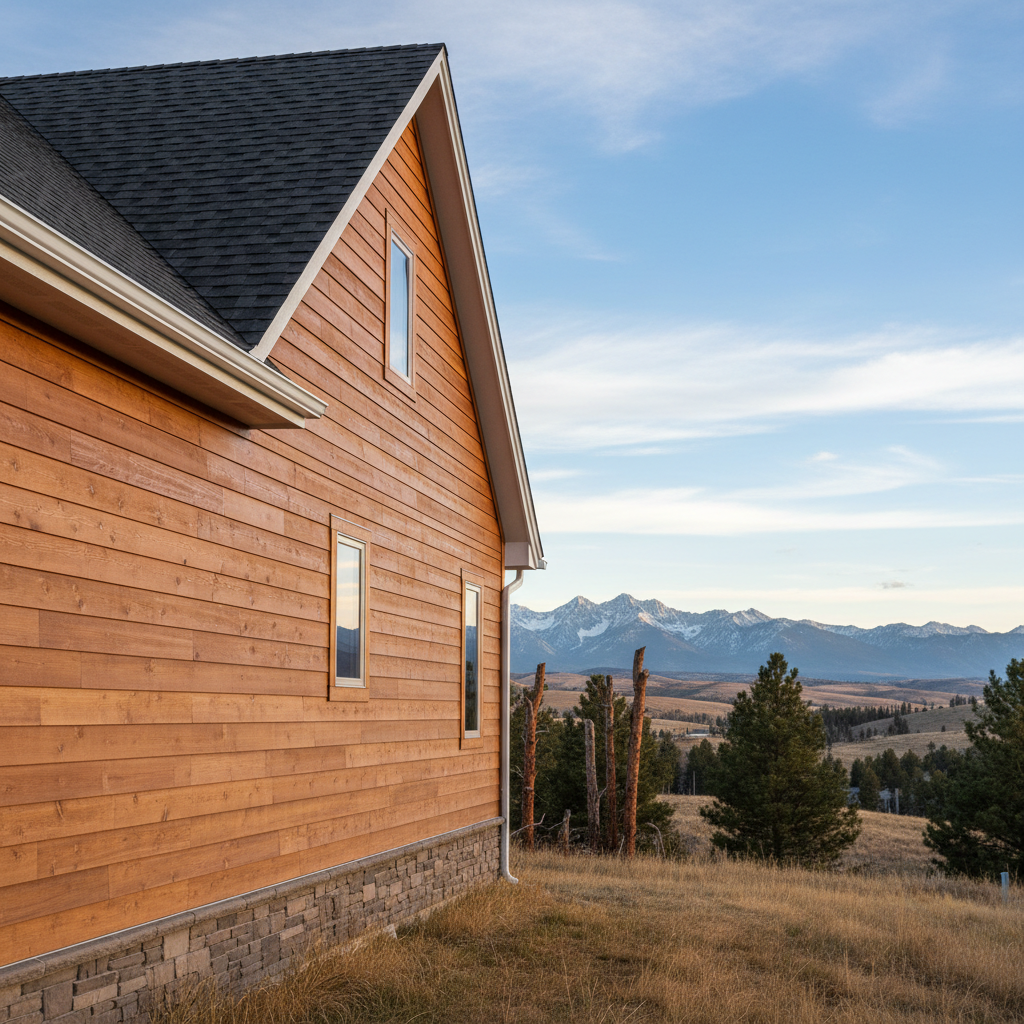
Look, we live in Great Falls. That means we get everything: brutal winters, hot summers, and those crazy wind gusts that come roaring down from the mountains. Wooden siding, beautiful as it is, takes a beating. One of the biggest mistakes I see homeowners make is picking the wrong type of wood or not properly preparing it for our specific climate. You can't just slap up any old cedar and expect it to last without proper treatment, can you? Our freeze-thaw cycles are rough on wood, leading to cracking, splitting, and rot if it's not sealed right. And those dry spells? They'll suck the moisture right out of untreated wood, making it brittle. Always, always, always consider how your chosen wood species and its finish will stand up to Montana weather.
Skimping on Quality Materials and Finishes
This goes hand-in-hand with climate, but it’s worth its own section. I get it, everyone wants to save a buck. But when it comes to wooden siding, cutting corners on materials or finishes is a surefire way to regret your decision a few years down the road. I've seen folks buy cheaper, lower-grade wood that's full of knots or has inconsistent grain patterns. It doesn't just look worse; those imperfections are prime spots for moisture intrusion and rot. Then there’s the finish – paint or stain. A cheap, thin coat won't protect the wood from UV damage, moisture, or insects. You'll be repainting or re-staining way sooner than you should, and that costs more in the long run than investing in a good quality product upfront. Think of it as an investment in your home's longevity and curb appeal.
Underestimating the Importance of Proper Installation
Even the best wood and the best finish won't save you if the installation is sloppy. This is where a lot of DIYers get into trouble, and frankly, some less-than-reputable contractors too. Things like incorrect fastening, not leaving enough expansion gaps, or improper flashing around windows and doors are huge red flags. Water is wood's worst enemy, and if it can get behind your siding, you've got big problems. I'm talking rot, mold, and structural damage. I've seen homes in the Riverview neighborhood that looked great from the street, but once you got up close, you could see where water had been seeping in for years because of poor flashing. A professional installer knows how to create a proper rain screen and make sure every piece is secured correctly to allow for natural movement while keeping the elements out. It's not just about nailing boards to a wall; it's a precise system.
Ignoring Maintenance Schedules
Wooden siding isn't a