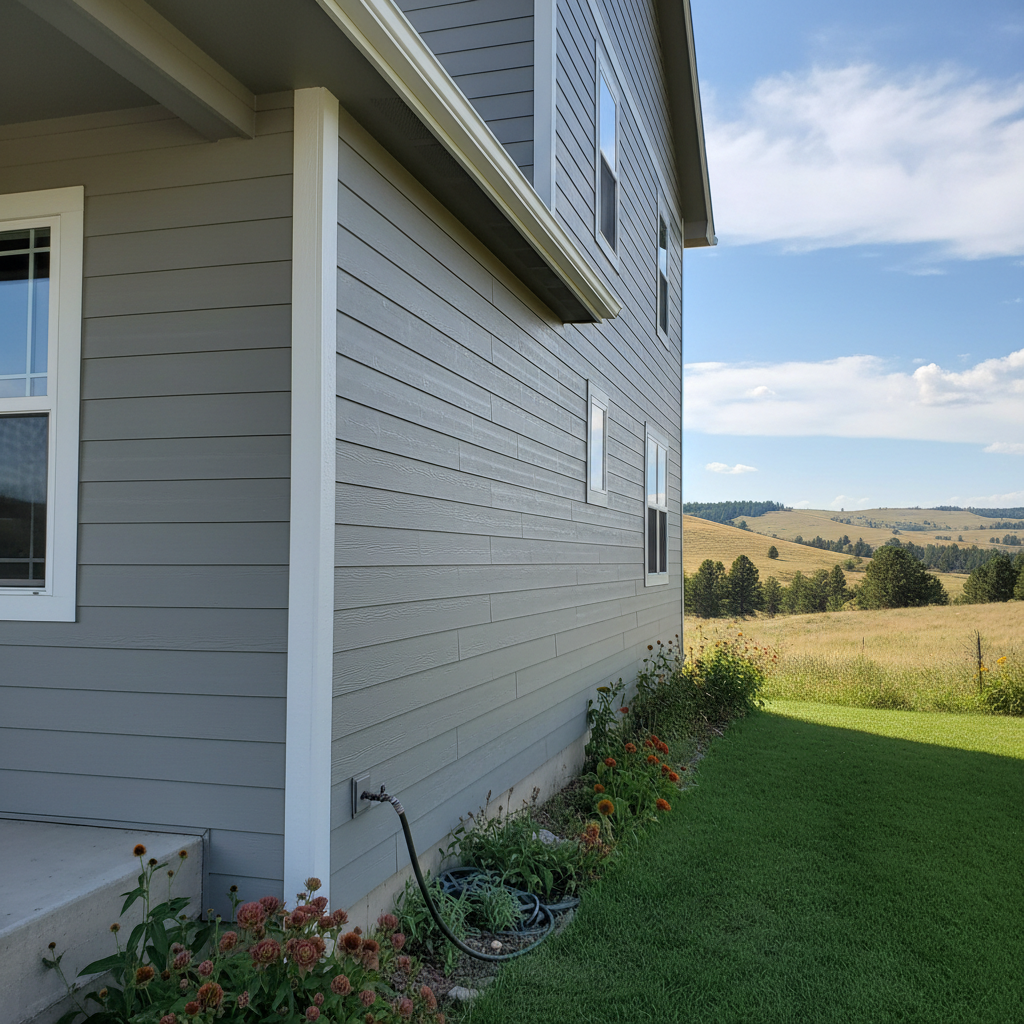
You picked cement siding for a reason, right? It's tough, looks good, and can really take a beating. But "tough" doesn't mean you can just put it up and forget about it, especially with the kind of weather we get here in Great Falls. Those chinook winds, the freezing winters, and the hot summers — they all wear things down. If you want that siding to last as long as it's supposed to, you've got to give it a little attention. It's not rocket science, but it's definitely important.
Making Your Cement Siding Last Longer
The biggest thing you can do to keep your cement siding going strong is to make sure its protective coating stays put. And that means paint. Cement siding, whether it's fiber cement or some other type, isn't meant to face the elements bare. The paint isn't just for looks; it's a crucial shield against moisture and UV rays. If you start seeing paint chip, peel, or fade a lot, that's your sign to get it repainted. Don't wait until the siding itself is exposed. A good quality exterior paint, put on correctly, will protect your home for years. Think of it like sunscreen for your house, you know?
Another huge one is handling moisture. This is critical in Montana. Check your gutters; make sure they're clean and draining right, pushing water away from your foundation and siding. If water's constantly running down a wall section, it'll find a way in, or at least ruin the paint faster. After a good rain or snowmelt, take a look at your downspouts. Are they splashing back onto the siding? You might need an extender. Also, keep shrubs and trees trimmed back so they're not always rubbing against the siding or trapping moisture there. That constant friction or dampness is a slow killer.
Regular Check-ups: What to Look For
You don't need to inspect your siding with a magnifying glass every single day, but a good walk-around twice a year is a smart move. I usually tell folks to do it in the spring once the snow melts and again in the fall before winter really sets in. Here's what to check:
- Paint Condition: Like I said, look for peeling, cracking, or fading. Pay extra attention to walls facing south that get more sun, and areas under eaves or around windows where water might gather.
- Caulking and Sealants: Check around windows, doors, and where the siding meets trim boards. Is the caulk cracked, shrunken, or just plain gone? This is a main entry point for water. A fresh bead of exterior-grade caulk can save you a lot of trouble.
- Siding Panels: Look for any cracks, chips, or signs of impact damage. If you spot a small crack, you can often seal it up with good quality exterior caulk and then touch it up with paint. Don't let small problems turn into big ones.
- Clearances: Make sure there's a good 6-8 inch gap between the bottom of your siding and the ground or any landscaping. This stops moisture from wicking up into the siding and keeps pests from getting easy access. In places like the Fox Farm area, where foundations can shift a bit, sometimes landscaping ends up too high.
- Cleanliness: A good, gentle cleaning every year or two with a soft brush and mild detergent can get rid of dirt, grime, and mildew. This isn't just about looks; it stops organic growth from taking hold and potentially damaging the paint or siding surface.
Warning Signs of Bigger Issues
Some things are more than just cosmetic. If you see any of these, it's time to pay serious attention:
- Extensive Paint Failure: If large sections of paint are failing, especially if it's bubbling or peeling right down to the bare material, you've got a moisture problem or a bad paint job.
- Swelling or Soft Spots: Cement siding is hard. If you push on a section and it feels soft or looks swollen, that's a clear sign of water getting in and causing damage. This needs immediate action.
- Mold or Mildew Growth: While some surface mildew can be cleaned off, persistent or widespread mold, especially if it's growing on the siding itself rather than just surface dirt, points to constant dampness.
- Gaps or Movement: If siding panels are pulling away from each other, or you see obvious gaps where they shouldn't be, it could mean structural movement or that it wasn't installed correctly.
- Pest Infestation: Cement siding isn't exactly a food source, but pests can still get behind it if there are gaps or damage. Look for signs of insect activity or nesting.
When to Call a Pro
For small touch-ups, cleaning, or recaulking, most homeowners can handle it. But there are times when you really should call someone like us at Genesis Siding Solutions.
If you're seeing extensive water damage, like swelling or soft spots, that's definitely a job for a professional. We need to pinpoint where the water's coming from and fix the damaged sections properly. If you've got significant cracks that go all the way through the siding, or if entire panels are compromised, those often need replacing. Also, if you're planning a full repaint and your siding hasn't been painted in ages, or if you suspect there are hidden issues, it's worth getting a professional opinion. We can spot problems you might miss and make sure the new paint sticks correctly, giving you maximum protection. Seriously, don't wait until a small issue turns into a huge repair bill. Sometimes, a quick inspection can save you a ton of money down the road.