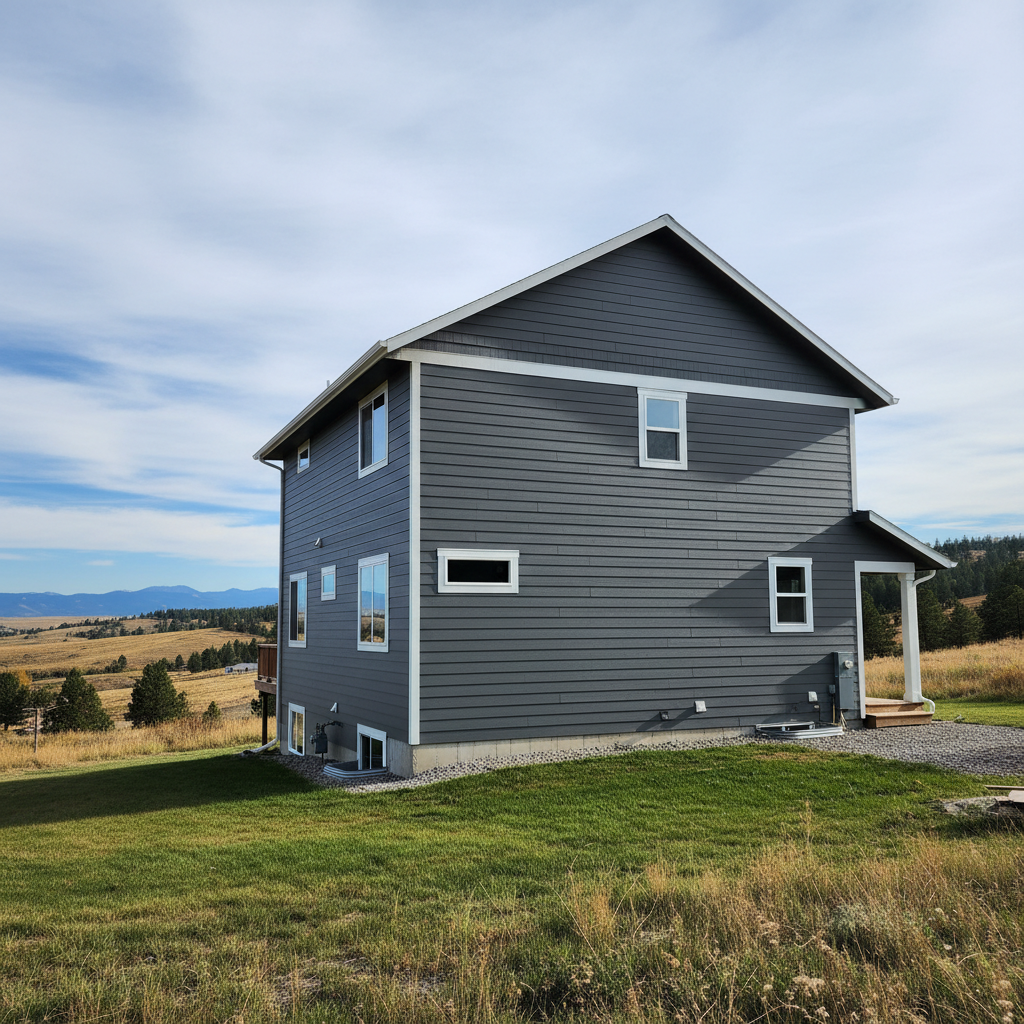
You picked cement siding for a reason, right? It’s durable, looks great, and stands up to a lot. But 'durable' doesn't mean 'maintenance-free.' Especially here in Great Falls, where we get everything from blizzards to scorching summers, a little regular care goes a long way in making that siding last for decades.
Extending Your Siding's Lifespan
Think of it like this: your siding is your home's skin. You want to keep it clean and protected. The biggest thing you can do to extend the life of your cement siding is to keep its finish in good shape. That means paint. Cement siding comes pre-primed, sometimes even pre-painted, but eventually, that factory finish needs a refresh.
Here's why it matters: the paint isn't just for looks. It's a protective barrier against moisture. When paint starts to chalk, fade, or peel, it means the siding underneath is more exposed to the elements. Our freeze-thaw cycles in the spring and fall are particularly brutal on exposed siding. Water gets in, freezes, expands, and can cause real damage over time. A good quality exterior paint, applied correctly, is your first line of defense.
Also, keep your gutters clean and make sure your downspouts are directing water away from your foundation and siding. Water splashing back up from the ground can degrade the bottom edges of your siding panels. This is especially true for homes built on flatter lots, common in areas like the Fox Farm neighborhood, where proper drainage is critical.
Regular Maintenance You Can Do
This isn't rocket science, folks. Most of this is just good homeowner common sense:
- Clean it Annually: Grab a soft brush and some mild detergent (like dish soap) mixed with water. Gently scrub off dirt, dust, and any mildew. You can use a garden hose to rinse it down. Avoid high-pressure washers unless you know exactly what you're doing, and even then, keep the nozzle far from the siding. Too much pressure can damage the finish and even force water behind the panels.
- Trim Landscaping: Keep bushes, trees, and vines from touching your siding. They hold moisture against the surface, block sunlight (which helps dry things out), and can scrape the finish. Give your siding some breathing room, at least 6-12 inches.
- Check Caulking and Sealants: This is a big one. Look around windows, doors, and where different materials meet. Caulking dries out, cracks, and pulls away over time. These gaps are direct entry points for water. If you see cracks, scrape out the old caulk and apply a fresh bead of high-quality exterior sealant. It's a small job that prevents big problems.
- Inspect Paint Condition: Once a year, walk around your house and really look at the paint. Are there any areas that look dull, chalky, or are starting to peel? Pay close attention to south-facing walls, which get the most sun exposure, and north-facing walls, which tend to stay damp longer.
Warning Signs of Problems
You don't need to be a siding expert to spot trouble. Just pay attention to these things:
- Cracks or Chips: Small hairline cracks might be just in the paint, but larger cracks or chips in the actual cement board are a bigger deal. They can let water in, leading to rot in the sheathing behind it.
- Swelling or Bulging: If you see areas of your siding that look like they're puffing out or aren't lying flat, that's a strong indicator of moisture intrusion and potential damage to the board itself.
- Discoloration or Stains: Dark streaks, especially under windows or near corners, often mean water is getting behind the siding or pooling somewhere it shouldn't. Green or black patches could be mildew or algae, which isn't always harmful to the siding itself, but indicates a moisture issue.
- Loose Panels: If a panel feels loose or you can see fasteners popping out, it needs attention. Wind can get behind it, and water will follow.
- Peeling or Blistering Paint: We talked about this, but it's worth repeating. It's not just an aesthetic issue; it's a sign the protective layer is compromised.
When to Call a Professional
Look, some things are DIY, and some aren't. If you spot any of the serious warning signs – significant cracks, swelling, or widespread peeling – it's time to call someone who knows what they're doing. Don't let a small issue turn into a massive repair bill because you waited too long.
If you're unsure about the extent of damage, or if you're not comfortable getting on a ladder to inspect higher areas, that's also a good time to call. A professional can assess the situation, identify the root cause of the problem, and recommend the right course of action. Sometimes it's a simple repair, other times it might be a section replacement. Here at Genesis Siding Solutions, we've seen it all, and we're happy to come out and give you an honest assessment. Protecting your home's exterior is an investment, and proper maintenance, whether you do it yourself or bring in the pros, ensures that investment pays off for years to come.