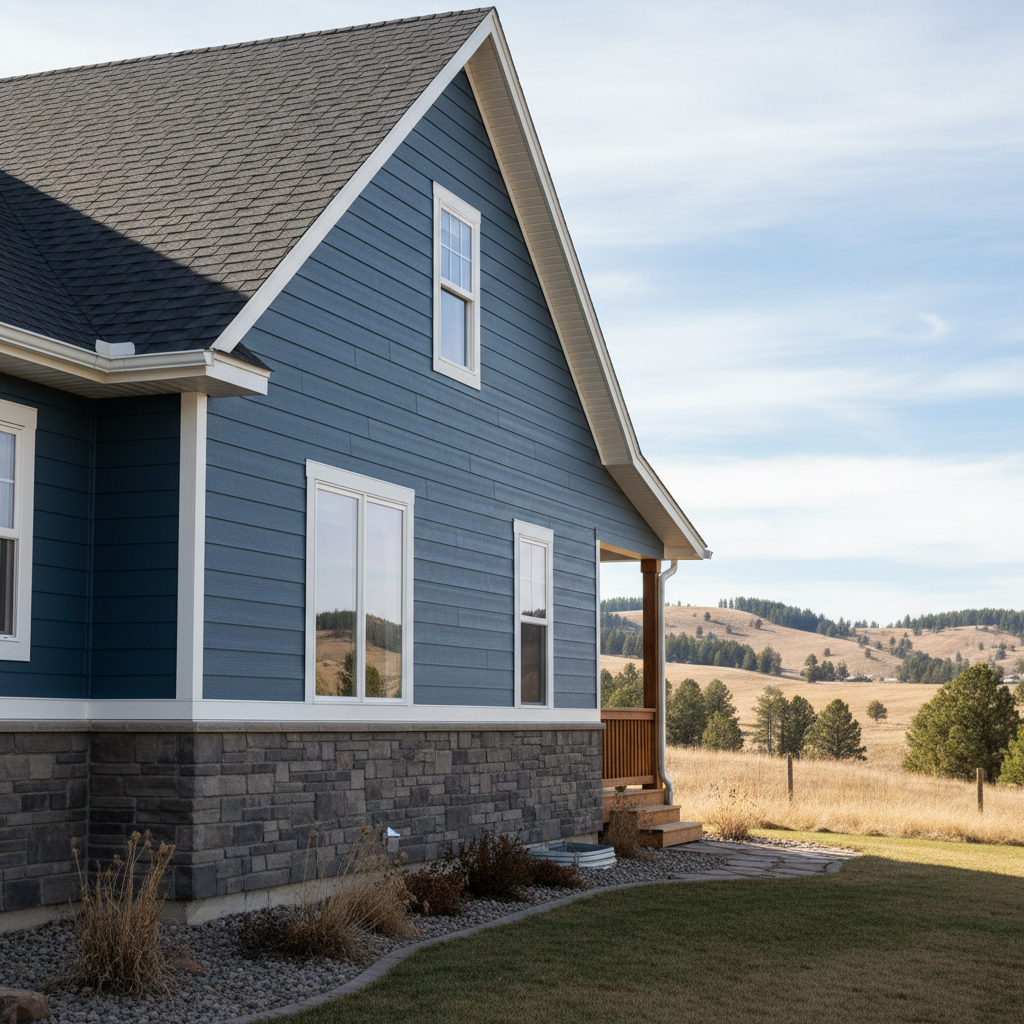
Keeping Your James Hardie Siding Tough in Great Falls
You picked James Hardie siding for a reason, didn't you? It's tough, looks sharp, and really holds its own. But even the strongest stuff needs a little TLC, especially here in Great Falls. We get everything from blizzards to scorching summers, not to mention those wild chinook winds. I've seen a lot of siding in my years with Genesis Siding Solutions, and believe me, a little proactive care goes a long way toward protecting your investment.
Think of it this way: you wouldn't buy a new truck and then never change the oil, right? Same deal with your siding. You want to keep that curb appeal shining and your home safe from the elements. So, let's chat about what that looks like for James Hardie.
Your Regular Maintenance Checklist
This isn't brain surgery, but it does mean being consistent. Here's what you should be doing:
- Annual Cleaning: This is probably the biggest one. Dirt, dust, pollen, and even that fine volcanic ash we sometimes get can really pile up. Grab a soft brush or a low-pressure garden hose – never a high-pressure washer, please! You'll damage the finish and could force water behind the boards. A mild detergent solution (like dish soap and water) works wonders for those stubborn spots. Rinse everything thoroughly. Do this every spring after the snow melts and again in the fall before winter really sets in.
- Check Your Caulking and Sealants: This is super important. Caulking around windows, doors, and trim pieces is your home's first defense against water getting in. Over time, it can crack, shrink, or pull away, especially with our crazy temperature swings. Walk around your house twice a year, really look closely at those seams. If you spot cracks or gaps, scrape out the old stuff and reapply a high-quality, paintable exterior caulk. Don't cheap out here; flimsy caulk won't last.
- Inspect Your Paint Finish: If you have ColorPlus Technology, it's pretty resilient. But if your siding was painted after it was installed, check for any chipping, peeling, or fading. Touching up these spots can prevent bigger issues down the road. You want to catch these little bits before moisture sneaks under the paint.
- Maintain Your Gutters and Downspouts: Clogged gutters overflow, sending water cascading down your siding. It can also splash up from the ground. This constant dampness is bad news. Keep them clean and make sure your downspouts direct water well away from your foundation.
- Trim Landscaping: Bushes, trees, and vines growing right against your siding trap moisture, block sunlight (which means things don't dry out), and can even scratch the surface. Keep them trimmed back at least 6-12 inches.
Warning Signs You Can't Ignore
Your siding will usually tell you when something's wrong, if you just know what to look for. Don't wait until it becomes a massive headache:
- Cracked or Broken Boards: This one's pretty obvious. While Hardie board is tough, impacts from hail, flying debris during a windstorm, or even poor installation can cause cracks. Any crack is basically an open invitation for moisture.
- Swelling or Bulging: If you see sections of your siding that look like they're puffing out or aren't lying flat against the wall anymore, that's a huge red flag. It usually means water has gotten behind the board and is causing damage.
- Discoloration or Stains: Dark streaks, especially under windows or around trim, often point to water runoff problems or even mold/mildew growth. Green or black spots? That means moisture is hanging around.
- Peeling Paint: If the paint on your Hardie siding is peeling, bubbling, or flaking off, it's not just a looks thing. It means the finish is compromised, and the board itself is more exposed to the elements.
- Loose Fasteners: Sometimes, you might notice a board that feels a bit loose or a nail head that's popped out. This can happen with your house settling or those extreme temperature changes. Get it secured before it turns into a bigger problem.
When to Call a Professional (Like Genesis Siding Solutions)
Look, I'm all for homeowners taking care of their property. But some jobs are really best left to the pros. You should definitely give us a call if:
- You see significant water damage: If you suspect water is getting behind your siding, or you see widespread swelling, peeling, or mold, that's way beyond a simple DIY fix. We can assess how bad the damage is and figure out the best course of action.
- You have major cracks or holes: Small cracks can sometimes be patched, but large sections of damaged siding need to be replaced correctly to keep your home's exterior sound.
- You're unsure about the cause of a problem: Sometimes, you see a symptom but can't quite pinpoint the root cause. Is that discoloration just dirt, or is it a leak from your roof? We've got the experience to diagnose these issues accurately.
- You need re-caulking done on a large scale or at height: Re-caulking an entire house, especially a two-story or taller, is a big job. If you're not comfortable on a ladder or don't have the right equipment, it's safer to call us.
- You're considering a full repaint or re-siding: If your Hardie siding is getting up there in age and showing widespread wear, or you just want a fresh look, we can help you evaluate your options.
Your James Hardie siding is a fantastic product, built to last. But even the best materials need a little help to stand strong against the Great Falls weather. Stay on top of these maintenance tasks, keep an eye out for those warning signs, and don't hesitate to call Genesis Siding Solutions if you need a hand. We're here to make sure your home stays looking good and performing its best for years to come.