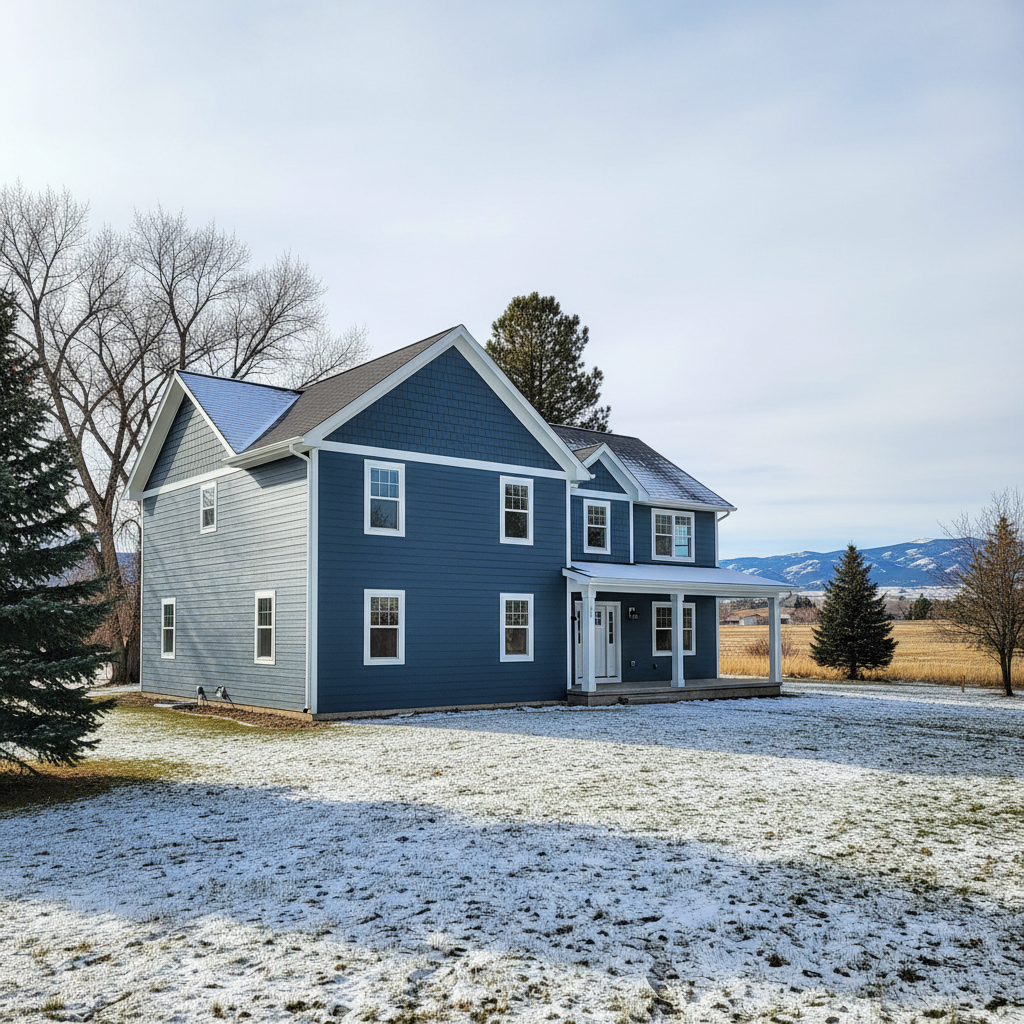
Alright, let's talk about James Hardie siding here in Great Falls. It's a fantastic product, no doubt about it. You see it on a lot of homes around the city, from the newer builds out by Malmstrom to some of the renovated places downtown. It's tough, looks great, and it's built to last. But even the best siding needs a little local know-how to really shine and stand up to what Montana throws at it. As someone who's been putting this stuff on homes for years, I've seen what works and what doesn't.
When's the Best Time for Hardie Siding Installation?
This is probably the most common question I get. Everyone wants their siding done when it's convenient, but with James Hardie, there are some practical considerations, especially with our Great Falls climate. Ideally, we're looking for a stretch of moderate weather. That means temperatures consistently above 40 degrees Fahrenheit, and preferably above 50 degrees, with low humidity.
Why? Well, Hardie Plank is a fiber cement product. It's durable, but it's also dense. When it's too cold, the material gets brittle. It's harder to cut cleanly, and you risk chipping or cracking the planks during handling and installation. Plus, the caulking and sealants we use need certain temperatures to cure properly. If you apply them when it's too cold, they won't bond right, and that can lead to problems down the road – think water intrusion, which is the last thing you want.
Spring and fall are generally your best bets here. Late spring, once we're past those last surprise snowfalls and the ground has thawed, is excellent. Early fall, before the really cold snaps hit and the wind picks up, is also prime time. Summer can work too, but we have to watch out for those really hot, dry spells. Extreme heat can also affect the material and the sealants. We're always checking the forecast and keeping an eye on conditions to make sure we're installing it right.
What Weather Conditions Affect the Work?
Beyond just temperature, there are a few other things we're always monitoring:
- Wind: Great Falls is known for its wind, right? Trying to install long, heavy planks of fiber cement when it's blowing 30 mph or more isn't just difficult, it's dangerous. It can also kick up dust and debris, affecting paint adhesion or sealant quality. We'll often have to pause or reschedule if the wind is too high.
- Moisture: While Hardie siding is designed to handle moisture, installing it during a downpour isn't ideal. We want the sheathing underneath to be dry, and we want our work surfaces to be safe. Plus, sealants and paints need dry conditions to adhere properly. We'll cover up what we've done if rain is expected, but active installation in heavy rain is a no-go.
- Frost/Ice: This goes back to temperature, but specifically, if there's frost on the sheathing or the planks, it's a problem. Everything needs to be clean and dry for proper adhesion and a good finish.
We're not just rushing through a job; we're making sure it's done right, according to manufacturer specifications and local best practices. That means sometimes waiting for the weather to cooperate.
Protecting Your Hardie Siding Investment Year-Round
You've invested in quality siding, now let's keep it that way. Here's how to protect your James Hardie investment:
- Regular Cleaning: This is probably the easiest thing you can do. Just like washing your car, your siding benefits from a good cleaning once a year. Use a soft brush or a low-pressure power washer (be careful with the pressure!) and a mild detergent. Get rid of dirt, pollen, and any mildew that might start to grow, especially on north-facing walls that don't get as much sun.
- Check Your Gutters and Downspouts: This is huge. Clogged gutters or downspouts that dump water right next to your foundation are bad news for any siding. Make sure water is flowing freely and directed away from your home. This prevents water from constantly running down your siding or pooling around the base, which can lead to issues over time.
- Inspect Caulking and Sealants: Take a walk around your house every spring and fall. Look closely at the caulking around windows, doors, and trim boards. If you see any cracks, gaps, or areas where it's pulling away, get it repaired. This is your first line of defense against water getting behind the siding.
- Trim Landscaping: Keep bushes, trees, and other plants trimmed back from your siding. They can trap moisture against the material, lead to mildew growth, and even scratch the surface. Aim for at least 6-12 inches of clearance.
- Watch for Pest Activity: While Hardie siding isn't a food source for pests, they can still try to build nests or get behind it if there are gaps. Regular inspection helps you catch these issues early.
- Paint Maintenance: James Hardie comes with a great finish, but eventually, it might need a touch-up or a repaint. If you notice fading, chalking, or chipping, address it. A good quality exterior paint will protect the fiber cement and keep it looking fresh.
At Genesis Siding Solutions, we're not just about putting up new siding; we're about helping you maintain your home's exterior for the long haul. If you've got questions about your Hardie siding or need help with maintenance, don't hesitate to give us a call. We're here to help Great Falls homeowners keep their homes looking their best.