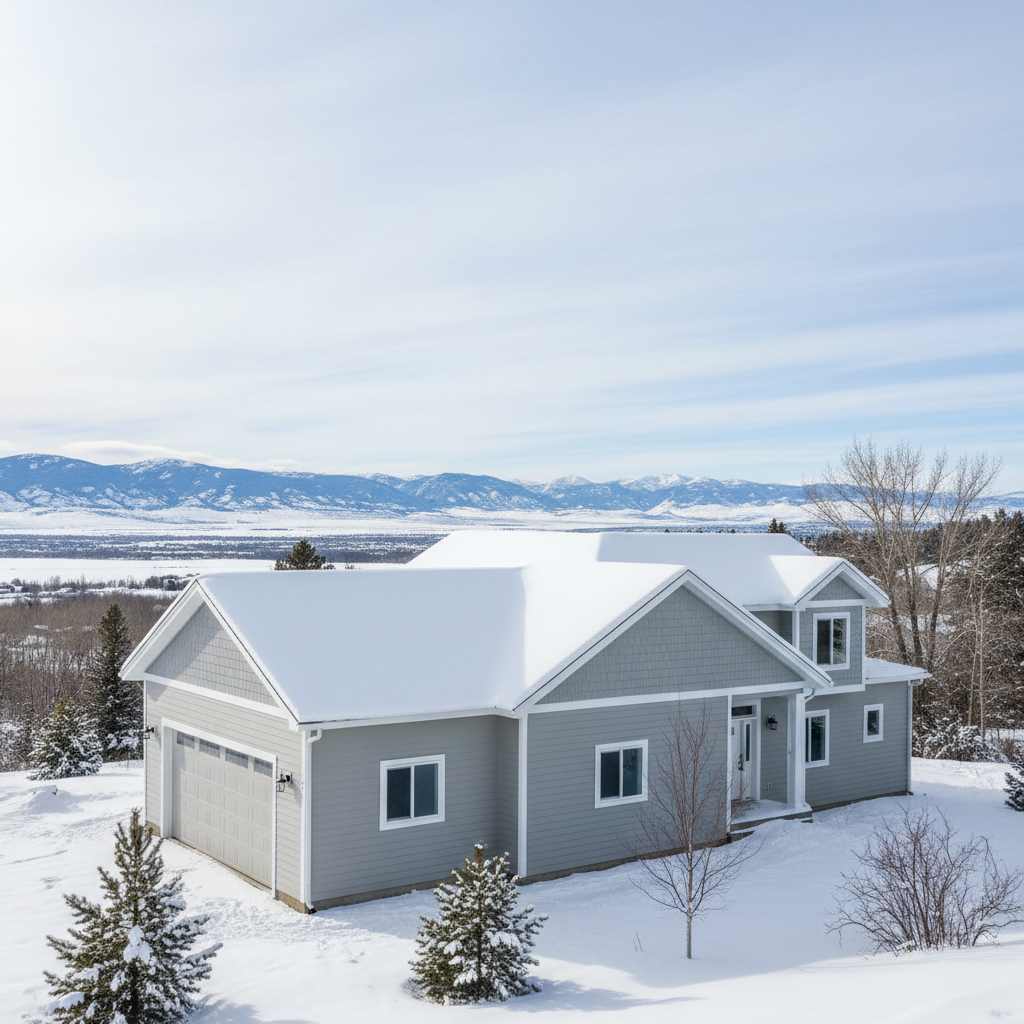
So, you're probably thinking about new siding, which naturally gets you thinking about insulation too. And honestly, tackling both at the same time? That's a smart move. But here in Great Falls, timing isn't just a suggestion; it's absolutely critical. Our weather doesn't mess around, and you shouldn't either when you're planning a project that affects your home's comfort and, let's face it, your energy bill.
When's the Best Time for Insulation Installation?
Honestly, there isn't one single 'perfect' day on the calendar, but some windows are definitely better than others. For any exterior insulation work — like when we're opening up your walls to add rigid foam or blow-in cellulose — you really want stable weather. That means not too hot, not too cold, and definitely not too wet.
Spring and early fall usually offer your best bets. In spring, once the snow melts and before the summer heat really kicks in, temperatures are often just right. Think April through early June. The ground's thawed, and we're less likely to run into those sudden blizzards that can even pop up in late spring, believe it or not. Then in the fall, say September through October, you hit that sweet spot again. The summer heat has finally backed off, but the deep cold hasn't arrived yet. The air is generally drier then, which is a huge plus.
Why does this all matter? Well, when we're opening up your wall cavities, even for a short time, you don't want extreme temperatures blasting into your house. Plus, some materials, like certain adhesives or sealants, just work best within specific temperature ranges. And let's be real, my crew works more efficiently and safely when they're not battling frostbite or heatstroke, right?
Weather Conditions That Affect the Work
Okay, so you've got the season in mind. Now, let's talk about the day-to-day conditions. Here's what we keep a close eye on:
- Rain and Snow: This is a big deal. You absolutely do not want insulation getting wet during installation. Wet insulation loses its R-value, can lead to mold, and just creates a whole host of problems down the road. If there's a good chance of precipitation, we'll reschedule. It's just not worth the risk.
- High Winds: Great Falls is famous for its wind, isn't it? Those chinooks can really howl. High winds make it tough to work with lightweight insulation materials, especially blow-in types. It can make a huge mess, and it's simply not safe for the crew on ladders or scaffolding. Plus, dust and debris can get into places you definitely don't want it.
- Extreme Temperatures: Like I mentioned, extreme heat or cold isn't ideal. In winter, working with frozen materials or trying to seal up a house when it's -20°F is a recipe for poor quality work. In summer, when it's over 90°F, materials can expand or contract differently, and it's just brutal on the workers. We're not going to rush a job just to get out of the heat or cold, because that's usually when mistakes happen.
We always keep an eye on the forecast. Sometimes, we can work around a short shower, but for major insulation work, we really need a clear window.
Protecting Your Investment Year-Round
Once that new insulation is in, you've made a great investment in your home. Now, how do you keep it performing its best? It's pretty straightforward, but it does require a little attention.
- Keep it Dry: This is the most important thing. Your siding's main job is to protect your insulation and the structure behind it from moisture. Regularly inspect your siding for any cracks, loose panels, or gaps. Pay special attention around windows, doors, and rooflines — those are common trouble spots. If you see anything, get it fixed quickly. Water infiltration is the enemy of insulation; even a small leak can compromise a large section over time.
- Maintain Your Gutters: Clogged or damaged gutters can cause water to overflow and run right down your exterior walls, potentially finding its way behind your siding and into your insulation. Keep them clean and make sure they're directing water well away from your foundation.
- Ventilation is Key: While insulation keeps heat in or out, proper ventilation prevents moisture buildup within your walls and attic. Make sure your attic and crawl spaces are adequately vented. This works hand-in-hand with your insulation to manage your home's internal climate.
- Pest Control: Rodents and insects just love insulation for nesting. They can tunnel through it, compact it, and reduce its effectiveness significantly. Make sure any entry points are sealed up. This isn't just about insulation, of course; it's about protecting your entire home.
At Genesis Siding Solutions, we're not just putting up siding; we're building a protective shell for your home. That includes making sure the insulation behind it is installed correctly and has the best chance to do its job for years to come. If you're thinking about upgrading your home's exterior and insulation, let's talk about the best time to get it done right for your Great Falls home.